
LIFESTYLE
How to Build Better Daily Habits That Actually Stick
- September 10, 2026
- 8 min read
- By EverMuse
Most people don’t need another list of things they should be doing. They already know they could drink more water, move more, spend less time on their phone, or get ready for tomorrow before bed. The hard part isn’t knowing what to do. It’s doing it on a normal Tuesday, when work is busy, sleep was bad, and nothing about the day is going according to plan.
That’s really what building a habit comes down to: not designing the perfect routine, but making a useful behavior easy enough to repeat when conditions aren’t ideal.
A habit sticks when it's small enough to survive a bad day, attached to something that already happens, and set up so the useful choice takes less effort than the alternative. Everything below is really just that idea applied to different parts of your routine.
Start smaller than feels necessary
The easiest way to sabotage a new habit is to start with the ambitious version of it. Thirty pages a night. Five workouts a week. A full reset of the house every evening. None of these are bad goals — they just ask a lot of you before the habit has any momentum.
Go smaller instead. Two or three pages. A ten-minute walk. Clearing off one surface. Writing down tomorrow’s three priorities. The point isn’t to prove how disciplined you are — it’s to build a behavior you can actually repeat.
You’ll sometimes hear that a habit takes 21 days to form — that figure traces back to a 1960s self-help book, not to research on habits. The most-cited actual study, led by UCL psychologist Phillippa Lally, tracked people building a new daily habit and found it took 66 days on average for the behavior to feel automatic. But the range was enormous: 18 days for some people, up to 254 for others, depending on the habit and the person. The honest takeaway isn’t a number — it’s that repetition in a stable context is what builds a habit, and how long that takes will vary more than you’d expect.
Attach the habit to something that already happens
“Exercise more” is an intention. “Walk for ten minutes after lunch” is a plan you can actually follow. The difference is that the second one has a trigger.
A few examples of pairing a new habit with an existing one:
- After making morning coffee → drink a glass of water
- After lunch → walk for ten minutes
- After brushing your teeth at night → lay out tomorrow’s clothes
- After closing the laptop → tidy the desk
- Before getting into bed → put the phone on its charger, away from the pillow
These existing routines work as cues — the habit gets attached to something that reliably happens, rather than to willpower. You don’t need to watch the clock for this to work. “After breakfast” often holds up better than “at 8:00 a.m.,” because your morning shifts around but the sequence of events tends to stay roughly the same.
Remove the friction, not just the excuses
Sometimes the obstacle isn’t motivation — it’s the small setup work standing between you and the habit. If your walking shoes are buried in a closet, your clothes are still in the laundry, and you haven’t decided on a route, the walk has several tiny barriers before it’s even started.
So move those barriers out of the way ahead of time. Shoes somewhere visible. Clothes ready. Route already decided.
The same logic applies outside of exercise. Keep the book by the bed if you want to read before sleep. Keep a water bottle where you work if you want to drink more. Leave a notebook on the desk if you want to plan tomorrow. Charge your phone somewhere out of reach of the bed if you want to scroll less at night. Whatever the habit, the goal is the same: make the useful choice the easy one.
Build a version that survives a bad day
Motivation is good for getting something started. It’s a poor foundation for doing it daily. You’ll have mornings when a workout sounds great and evenings when the idea of it is exhausting — that’s not a discipline problem, it’s just how motivation works.
This is why a habit needs a minimum version, not just an ideal one. If your normal walk is thirty minutes, your minimum might be ten. If your normal reading goal is twenty pages, your minimum might be two. If your evening reset usually takes fifteen minutes, on a rough day you put away five things and call it done.
This isn’t about permanently lowering the bar. It’s about keeping the habit alive on the days when the full version isn’t realistic — because those days come more often than the good ones.
Pick one or two habits, not eight
A common mistake is trying to overhaul an entire day at once: wake up earlier, exercise, meditate, drink more water, eat better, read, journal, keep the house tidy, stop using your phone at night, sleep earlier. Each one is reasonable on its own. All of them together is a full-time job.
Start with the one or two habits that would actually change how your day feels. Ask yourself what small habit would make another part of your day easier — laying out clothes the night before might make mornings calmer, putting the phone away before bed might create a real boundary with sleep, a short walk after lunch might give the afternoon a natural break. Build around what solves a real problem for you, not around what’s popular.
Use reminders to prompt the habit, not replace it
A reminder is useful when a new habit doesn’t yet connect to anything in your existing routine. But a reminder only tells you when — it doesn’t do the work of acting on it. If a 7:00 p.m. notification to exercise keeps getting ignored, three more notifications won’t fix that. What usually needs to change is the size of the habit, its timing, or where it sits in your day.
A tracker can help too, if seeing your progress keeps you engaged. But if maintaining the tracker becomes harder than maintaining the habit itself, drop it or simplify it. It’s a tool, not an obligation.
Treat a missed day as information
Missing a day doesn’t erase what came before it, and “why can’t I stick to anything” usually isn’t the most useful question to ask afterward. A better one: what made yesterday hard?
Maybe the timing didn’t fit your actual schedule. Maybe the habit was still too big. Maybe the cue wasn’t obvious, or maybe the day was just unusual. If you planned to walk right after work but keep arriving home too tired, try lunchtime instead. If thirty minutes of reading never happens, cut the target. If your phone keeps derailing your evening, change where it charges. A failed attempt tells you something about the design — not about your discipline.
Worth knowing: in that same UCL research, missing a single day here or there didn’t meaningfully slow down habit formation. What mattered more was missing several days in a row. One off day isn’t the setback it feels like.
Design around your average day, not your best one
The perfect routine rarely survives an actual week. It’s more useful to build around a fairly ordinary day than an ideal one:
Morning — drink water after getting up, take two minutes to decide the day’s priorities. During the day — a short walk after lunch, or during whatever break is most reliable. Evening — five minutes resetting one area, not the whole house. Before bed — tomorrow’s essentials laid out, phone charging away from the bed.
None of that is impressive on its own. That’s rather the point — a routine doesn’t need to look remarkable to work. It needs to survive contact with a normal week.
If a habit keeps falling apart, change one of four things
Don’t jump to “I lack discipline.” Instead, try adjusting one variable at a time:
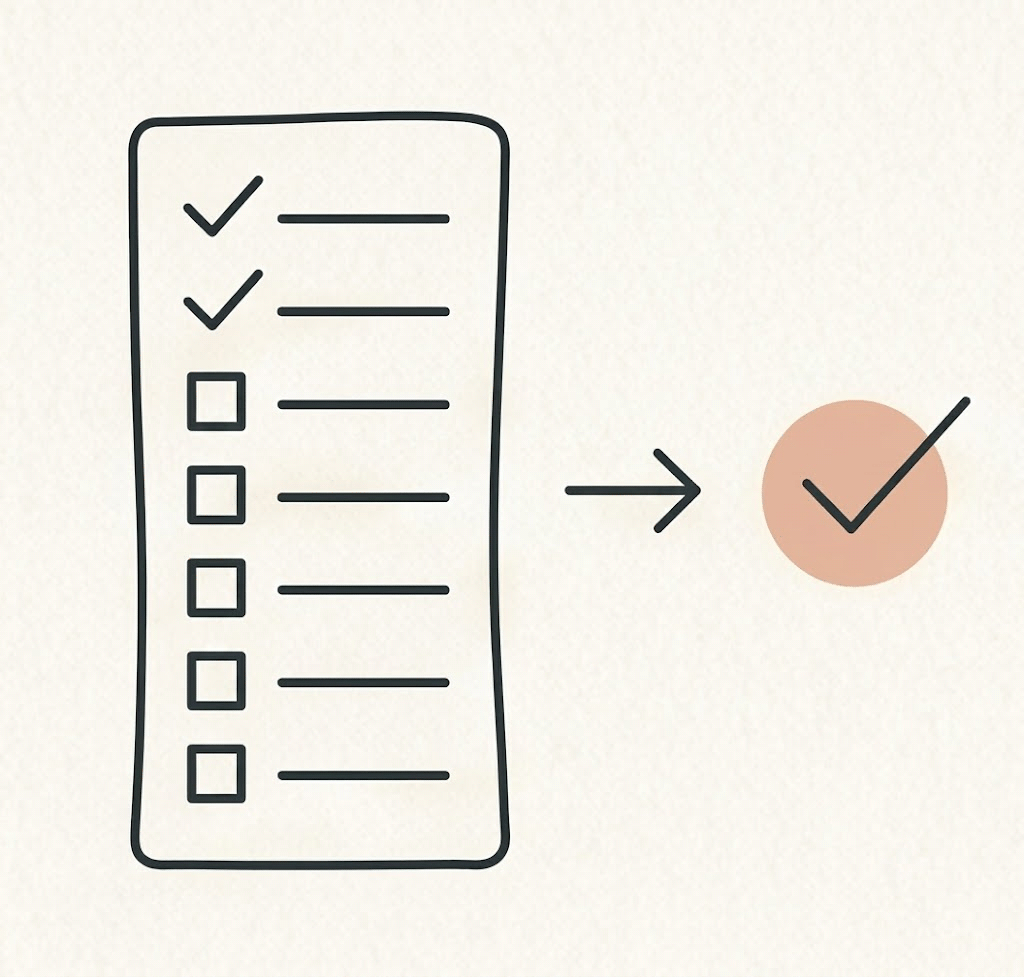
Make it smaller
Less effort required to start.
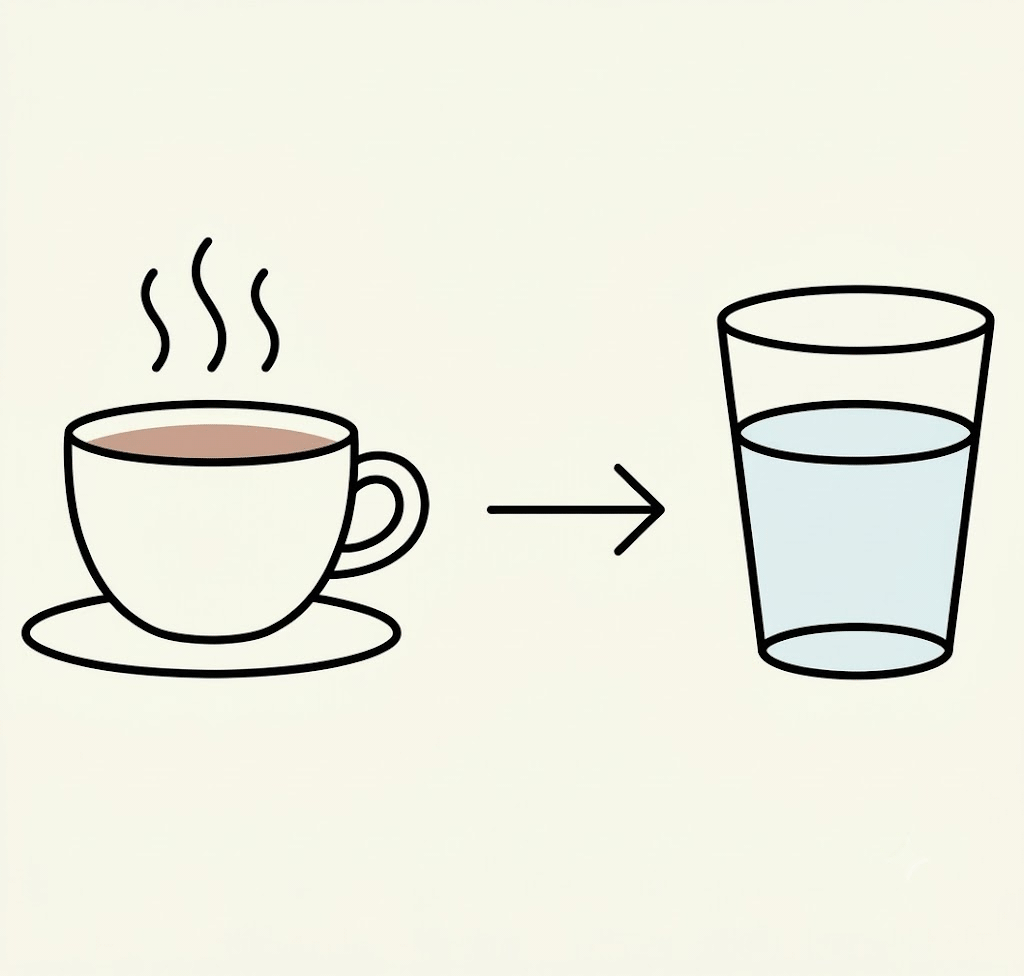
Change the cue.
Attach it to something more reliable than willpower.
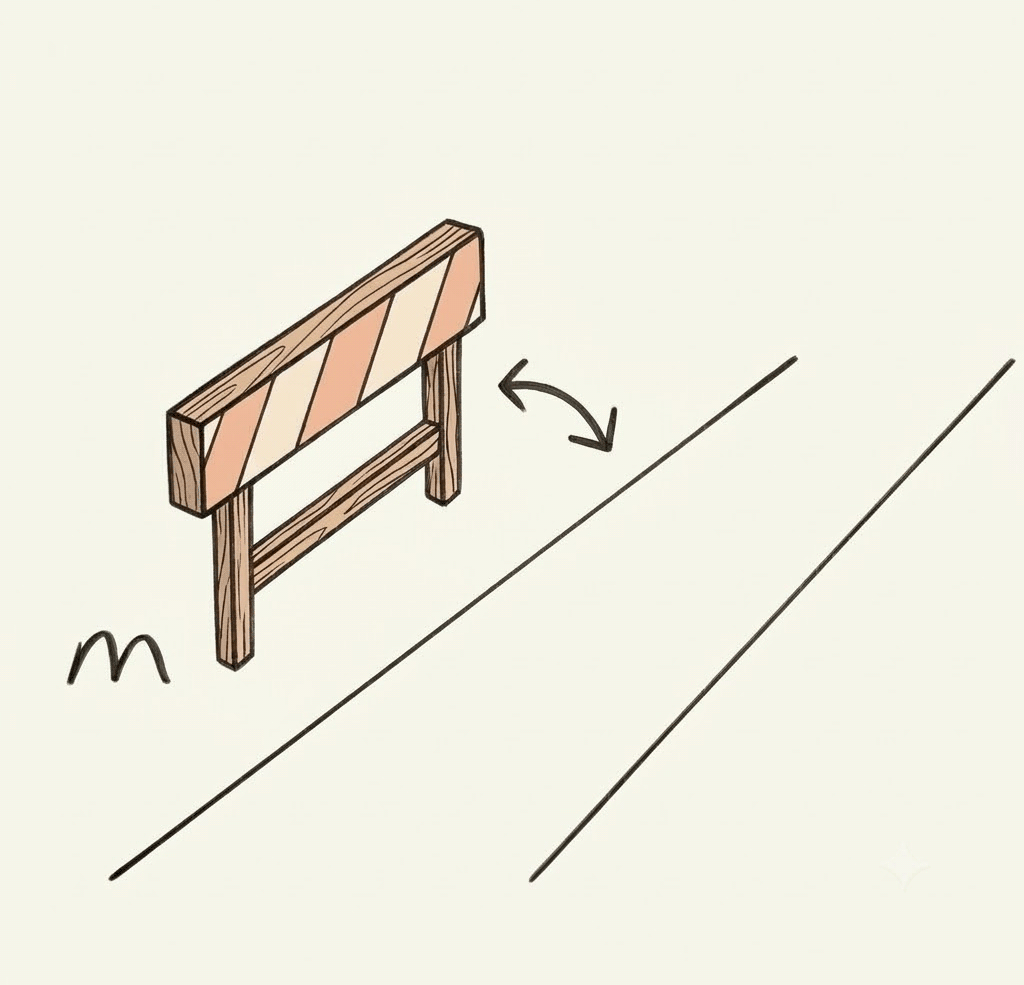
Reduce friction
Set up the environment so there's nothing left to decide.
Change the timing
The right habit at the wrong time still won't stick.
If “read for twenty minutes before bed” keeps not happening, the fix probably isn’t abandoning reading — it might be moving the book to the sofa and reading for ten minutes after dinner instead. The behavior stays; the system around it changes. 📎
The goal is a routine that disappears into the background
There’s a point where self-improvement turns into another source of pressure. You don’t need a twelve-step morning routine to have a good day, and you don’t need a perfect streak to be making progress.
The habits that actually last tend to become invisible. You drink water because the bottle is already there. You lay out clothes because it’s part of finishing your evening anyway. You walk because it naturally follows lunch. That’s a better definition of consistency than performing perfectly — it’s designing your surroundings so the useful choice takes less effort than the alternative.
Final Thought
Pick one behavior. Make it smaller than feels necessary. Give it a cue that already happens reliably. Clear away the friction. Then give it real time before deciding whether it’s working.
If it doesn’t stick, that’s a design problem, not a character flaw — adjust the size, the cue, or the timing, and try again. A good routine should make your life easier. If it isn’t doing that, it’s not working yet.