
SMART LIVING
Smart Home Devices Worth Buying: What Actually Helps
- September 26, 2026
- 8 min read
- By Kiana Meraki

A smart home isn’t better simply for having more devices in it. In plenty of homes, the most useful piece of technology is the least dramatic one: a light that comes on when you need it, a plug that switches something off on schedule, a sensor that detects something you’d otherwise have to check yourself.
That’s a better way to shop. Rather than starting with a list of gadgets, start with the small annoyance you actually want gone, and ask: what will this device do that I currently have to remember, repeat, reach for, or check myself? If the answer is vague, the device is probably adding technology without removing much work.

Smart Lighting
Lighting is already part of your daily routine, so it’s often one of the easiest places to notice the benefit of smart control. Beyond turning a bulb on from your phone, you can schedule lights, dim things down for the evening, or have a hallway or bathroom light respond to movement.
Worth it if you want easier routines, dimming, or hands-free control. Before buying, work out whether you need a bulb, a smart switch, or a dimmer — a bulb slots easily into an existing lamp, while a smart switch makes more sense when you still want the wall switch itself to be the main control.
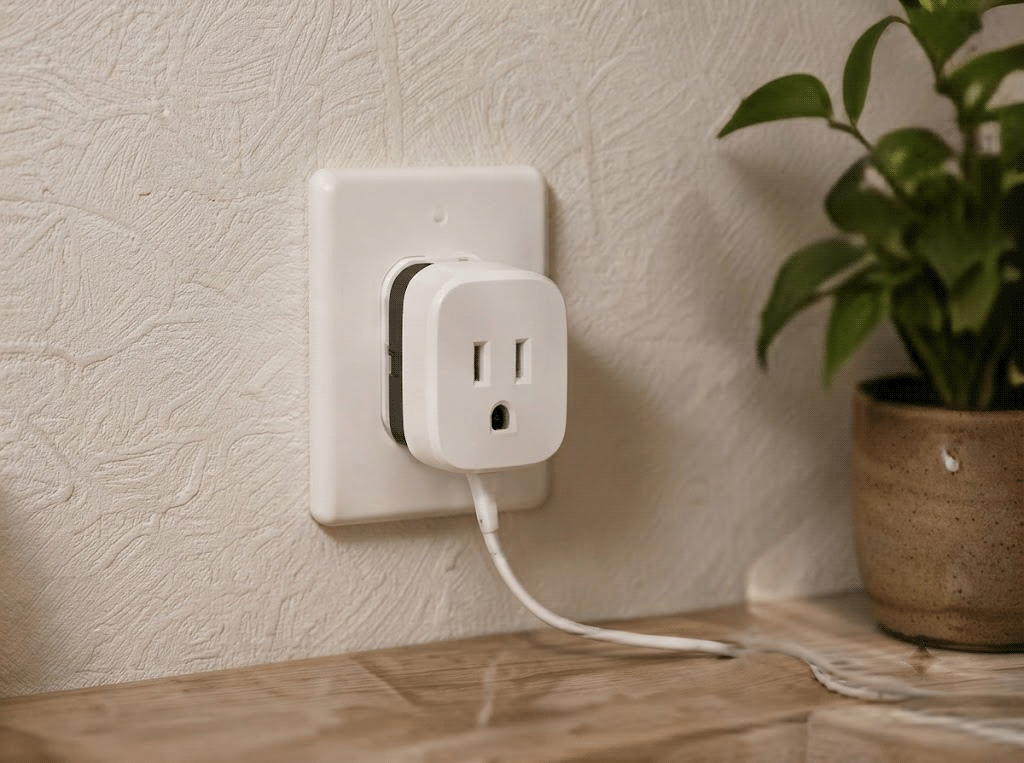
Smart Plugs
The simplest way to add control to something that already works fine. A lamp doesn’t need to become a “smart lamp” if all you actually want is scheduled on and off.
Worth it for anything that only needs simple power control. Check the plug’s electrical rating and physical fit before buying, and think about how the connected appliance behaves when its power comes back on — a plug isn’t a substitute for an appliance that genuinely needs its own electronic controls to run safely.
Smart Speakers and Displays
Useful even if you barely use voice commands, because their role can extend beyond voice commands: they can act as a control layer for everything else, a place to manage devices, trigger routines, or check information at a glance. Depending on the model, one can also work as a hub or Thread Border Router for other devices in your setup.
Worth it if you want one convenient control point and expect to add more than a device or two over time. Check which ecosystem you’re building around and whether the specific model actually supports the hub or Thread capabilities your other devices will need — this varies by model, not just by brand.
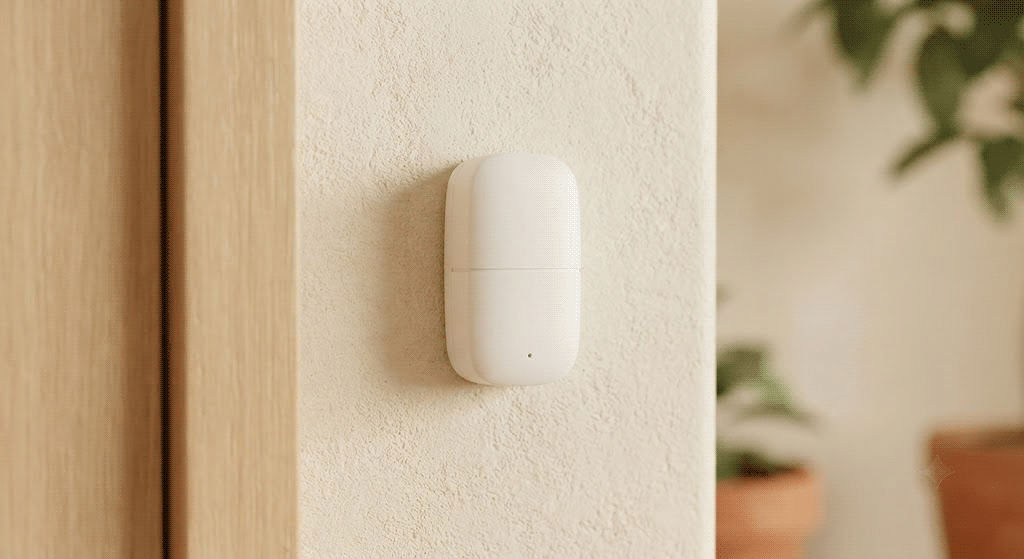
Smart Sensors
Sensors are easy to overlook because they’re the least exciting product on the shelf, but they matter more for automation than almost anything else here, since they let the house respond to what’s actually happening rather than waiting for a command. Motion sensors trigger lighting, door and window sensors flag changes, a temperature sensor feeds a climate routine, and a water-leak sensor can catch a problem before you would.
Worth it if you want the home to react to events instead of you issuing every instruction. Check what the sensor can actually trigger in your ecosystem, how it connects, its battery life, and whether it needs a hub.
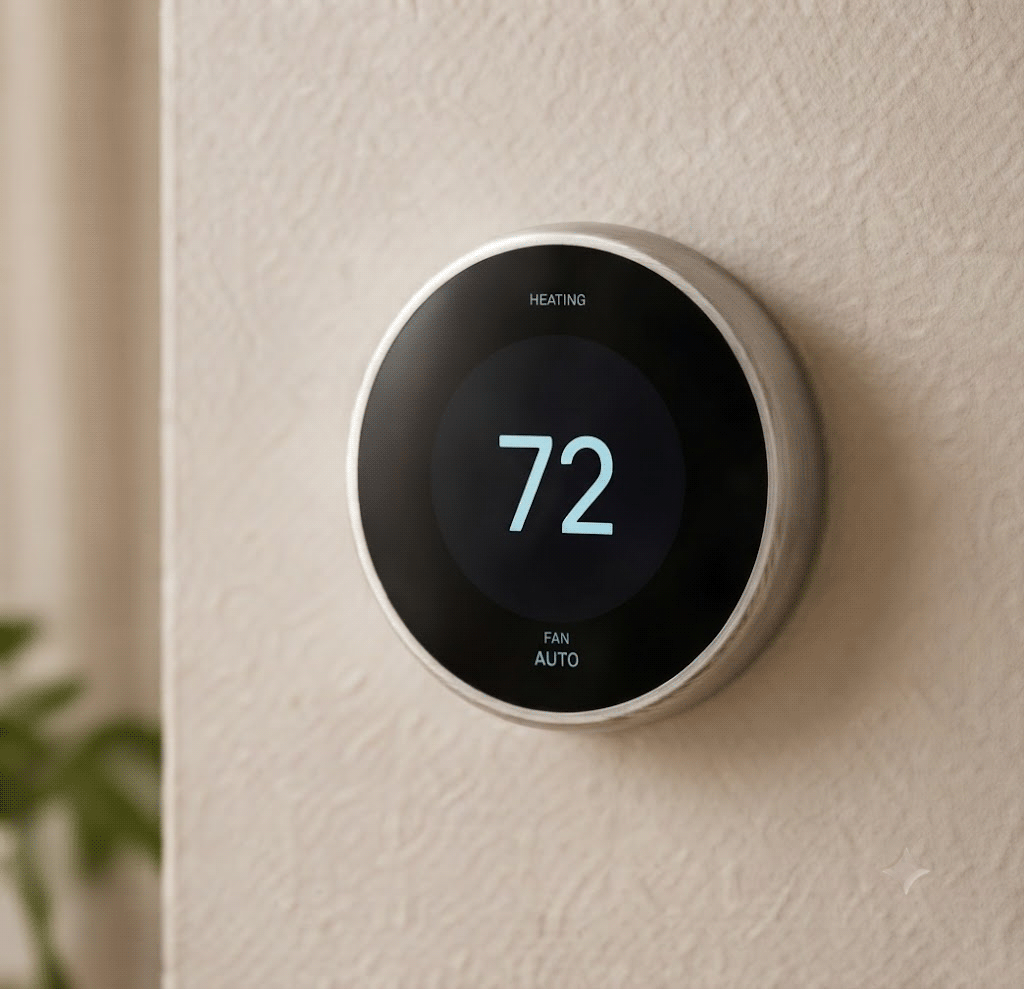
Smart Thermostats and Climate Controls
These deserve more caution than a plug or a bulb, because how well one works depends heavily on your existing heating or cooling system, the wiring, and the installation. Worth it if you find yourself adjusting temperature often and want scheduling or remote control, and the device is actually compatible with what you have.
Check system compatibility, installation requirements, and what still works if the internet or the smart-home system goes down. It’s worth buying one for the convenience it adds, not for a promised energy saving — actual savings depend on the home, the equipment and how you use it, and no thermostat can guarantee a number.
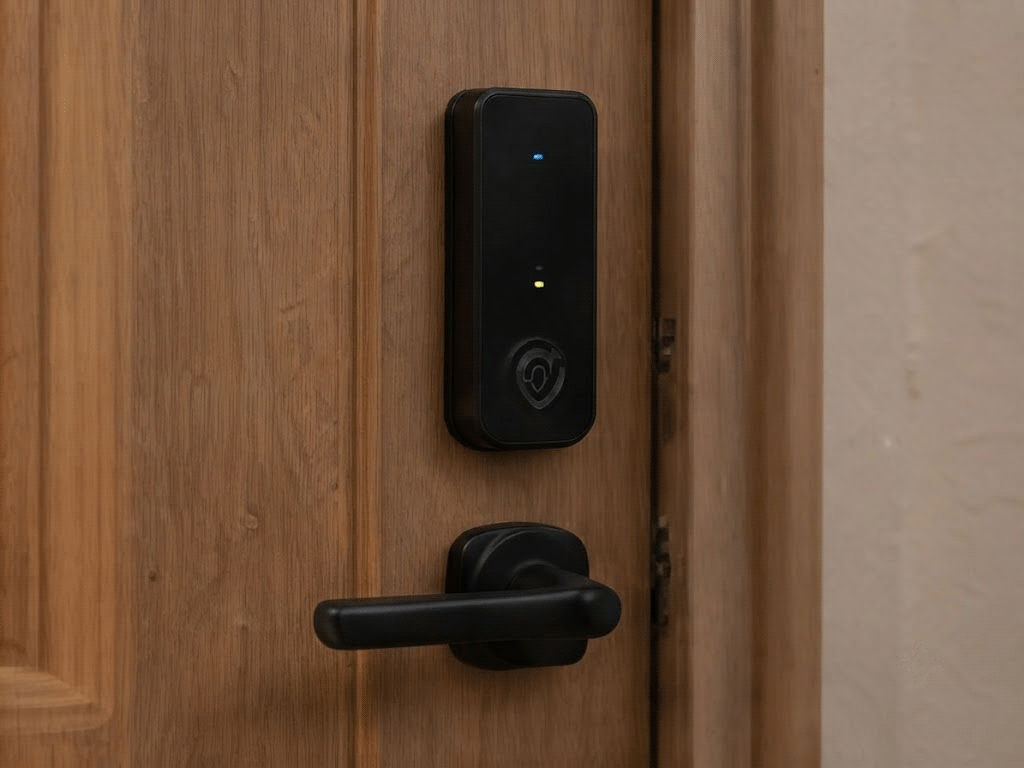
Smart Locks
A smart lock solves one specific problem: managing physical access without relying entirely on a key. Depending on the model, that can mean keyless entry, temporary codes for guests, activity notifications, or automatic locking.
Worth it if carrying keys is genuinely inconvenient, or you regularly need to give people access. Because this controls a real door, a reliable manual fallback matters more here than an impressive app — check battery life, physical build quality, and what happens if the power or the smart-home system fails.
Smart Blinds and Shades
Worth considering only when adjusting a window covering is a genuine, repeated hassle — a hard-to-reach window, strong morning sun, a privacy routine, or several shades you open and close daily. If none of that applies, it’s a novelty rather than a fix.
Check that the product actually fits your window and blind type, how it’s powered, and what it does during a power outage, since installation can be more involved than it looks.
Smart Cameras and Doorbells
These need a different level of scrutiny, because they involve people, private spaces, recorded footage and a cloud account, not just convenience. Notifications, remote viewing and event recording are the appeal, but the right choice depends heavily on how that footage is stored and who can access it.
Worth it if you have a specific security or monitoring need. Before buying, check whether storage is local or cloud-based, whether a subscription is required for anything essential, how account security works, and what the manufacturer actually says about data retention. A camera isn’t a decorative gadget — its data practices are part of the purchase.
Robot Vacuums
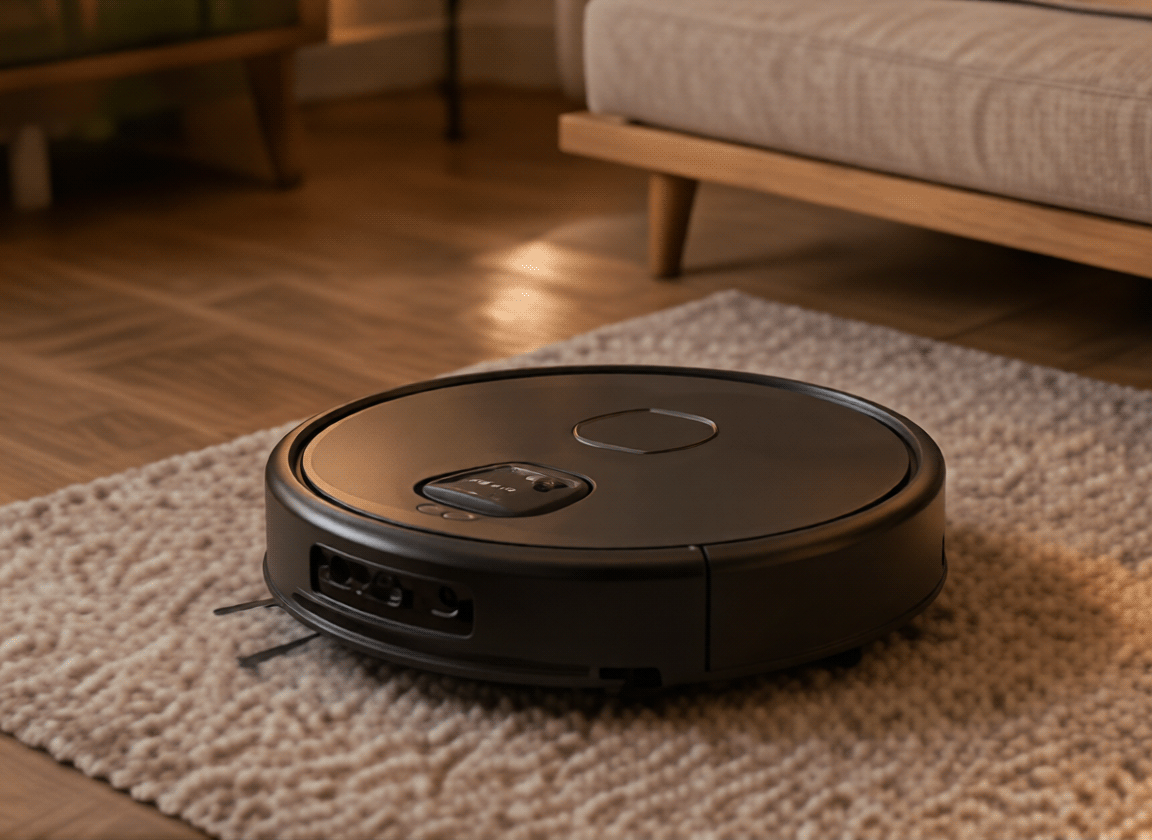
Worth it when the problem is “I spend too much time doing this,” not “I want a smart appliance.” It suits homes where floors need frequent cleaning and the layout doesn’t fight against an autonomous machine — lots of low furniture, trailing cables and thick thresholds make the job harder for both of you.
Check the room layout, maintenance requirements, and what the robot does when it gets stuck. If preparing the room and rescuing the robot becomes its own small chore, the time saved shrinks fast — it’s only a win if it reduces work overall.
What to Buy First
There’s no universal starter kit, because the right first purchase depends on the specific inconvenience you’re trying to remove. For plain convenience, start with a smart plug or a bit of lighting control. For automation, pair a motion or contact sensor with one useful action, like turning on a light. For a genuine chore, a robot vacuum or a compatible thermostat may earn its place faster than any of the more novel categories here.
What matters most is the pairing, not the device count. A sensor that triggers nothing useful is worth less than a plain plug that reliably does one job.
Where Matter Fits In
Matter is a buying consideration, not a device category of its own. It’s a standard meant to improve interoperability across platforms, working over Wi-Fi, Ethernet and Thread, with bridges letting some Zigbee or Z-Wave devices join a Matter setup too. That makes it worth looking for if you don’t want every purchase to lock you further into one platform.
But it doesn’t mean everything works everywhere. Support still varies by device type, and Thread-based Matter devices need a Thread Border Router somewhere in the house — Google Home and Apple both document this requirement for their own Thread accessories. So when you see the Matter logo on a box, still check the ecosystem, network and hub requirements underneath it. 📎
Before You Buy Anything
A short list worth running through for any smart device:
- Does it work with the ecosystem you already use?
- Does it need a hub or bridge you don’t already have?
- Is a real feature locked behind a subscription?
- What still works if the internet goes down?
- What data does it collect, and how is access to it protected?
- Does it need wiring, drilling or a professional install?
- Can you still use the basic function by hand, without the app?
That last one is easy to skip and becomes especially important for anything controlling a light, lock, blind or appliance you actually rely on. A smart feature should add convenience, not make the basic function more fragile.
When It’s Probably Not Worth It
Some perfectly good products are still a poor fit for a particular home. Be wary when the existing appliance already does its job well and the smart feature adds little, when a subscription is required for something that should be basic, when it duplicates a control you already use easily, or when the manufacturer is vague about security, support or what happens to your account if the company changes hands.
The real question isn’t whether a device is “worth it” in general. It’s whether the benefit is big enough to justify the setup, the maintenance, and the extra thing you now have to think about.
Build It One Problem at a Time
A smart home that actually works tends to grow out of real annoyances rather than a shopping list. Start with one problem, pick one device to solve it, build one reliable automation around it, and live with that for a while before deciding what’s next. It also makes compatibility much easier to manage — you get a feel for the ecosystem and the network before committing to more of it.
The best smart-home purchase is rarely the one with the longest feature list. It’s the one that quietly removes something you were tired of doing yourself, without adding a new task in its place.